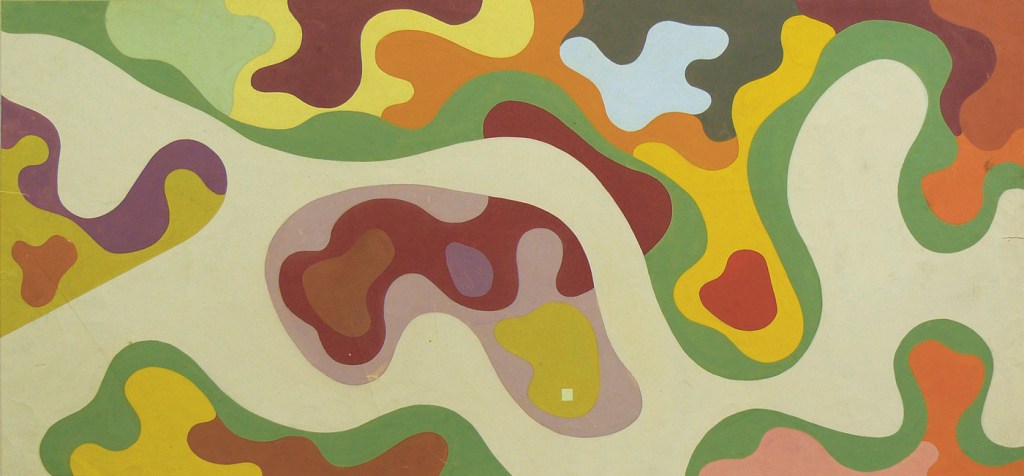
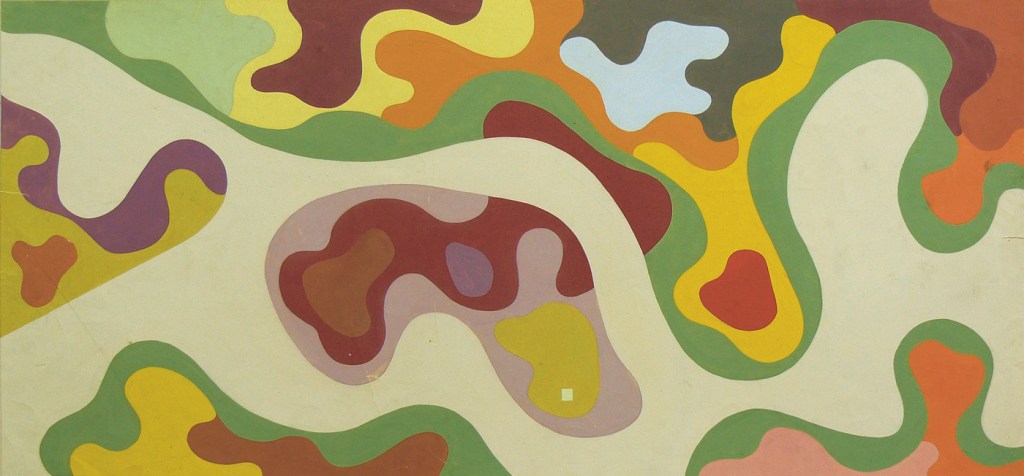
Utilising cubism, Marx plays with size, volumes, transparency and asymmetry, creating an organic tapestry of monochromatic blocks. This helps to achieve a more “simple” or rather accessible visual language. Here, he is using the plants to paint the canvas of the rooftop garden.
As you walk through this space with its narrowing pathways and varying species of plants, it may affect the user’s pace; they may slow to observe, to wait for others, or to quicken through the area. Breath and heart rates may change subconsciously.
Burle Marx achieved a rhythm using the seasons’ cycles and the plants’ changeable nature. He wasn’t just designing a “pretty” or “functional” garden. He
created a space to be in, to feel, to experience.
This experience was ever-changing as the garden grew, or as you got older, your outlooks on life changed, and you looked upon things from a different perspective, firing the
imagination and producing different states of mind.
 AJ Landscape Architecture
Leave a comment