Someone asked me yesterday
Where do you think, as an architectural industry, we are with design?
I replied: stuck in the 1920’s

Architecture, in my eyes, hasn’t changed much from the iconic Villa Savoye of Le Corbusier. This, although an iconic piece, has stripped us of intricate designs; details down the drainpipes washed away. And now, the iconic has been simplified and is just the norm which could be described as boring, and lazy. The designs are very strategic, systematic, and functional, built in a way to please the profits rather than to be a statement or create a better space for others and with little aesthetic beauty. Now, of course, there are some exceptions, but these are few and far between.
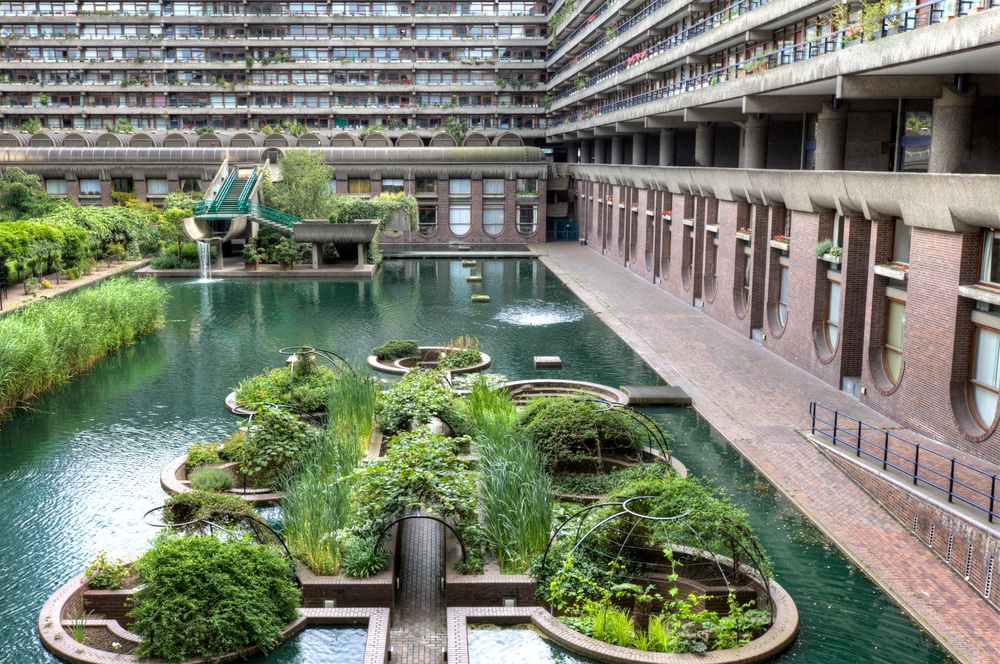
The barbican was created again with a simple repetitive design, built around an enigmatic garden of 1960/70’s sunken seating and palm trees. This brought a sense of place to the space, it was exciting to be in. The juxtaposition of the soft landscape against the hard brash building was purposeful.
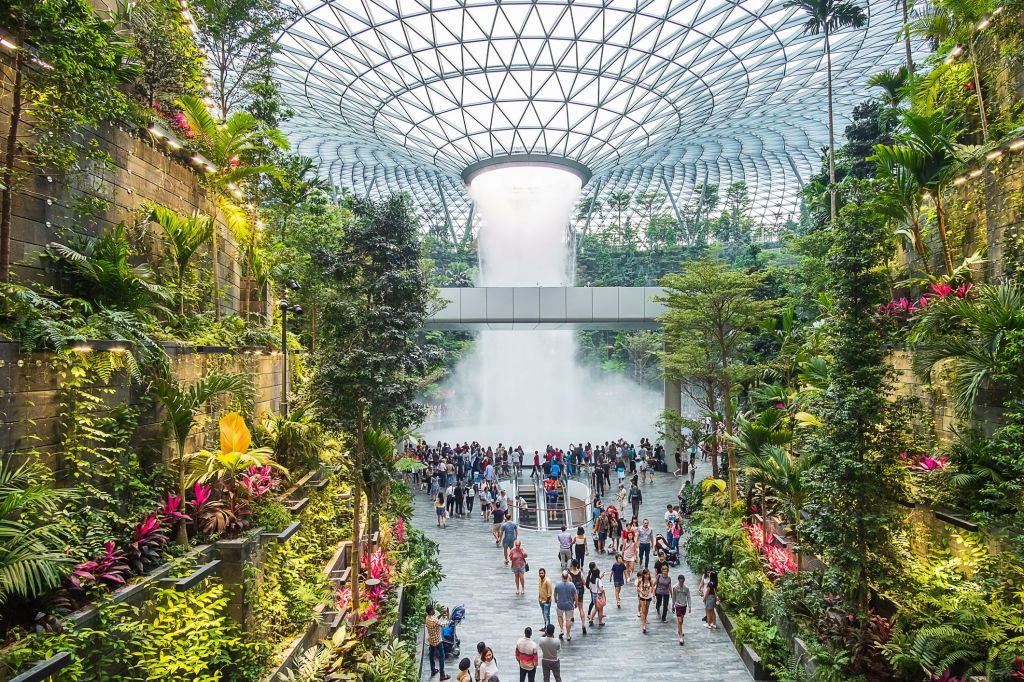
Conversely, you have the Singapore airport, which is a theme park for plants, highly over-engineered, more a botanical garden than an airport. I guess that was the idea, to break the boundaries of what places are: can an airport be a destination rather than just a thoroughfare?
This question has made me think about how I see design as being an icon and how spaces develop over time. How at one point it is something quite incredible, but soon, it is just “boring”. The overuse of designs and the shifting baseline syndrome of design. What makes good design so special, and what makes it last? Why do fashions change so drastically, and now with the dopamine-mining society that is today, how can we ensure they stand the test of time?
Should I ask myself really .. what is good architecture?
We are in a time of change, considering the environment and wellness. By including these and looking into the psychology of how people use and connect with spaces, as a budding landscape architect, is this my chance to create “beautiful” “iconic” spaces? Creating multifaceted designs that aid and protect the environment, mitigate any potential disasters, support and benefit the lives of the users AND are also beautiful. It’s a big ask…but it’s possible.
 AJ Landscape Architecture
Leave a comment