Metals have become an integral component of landscape architecture, blending functionality with aesthetics. From public parks to private gardens, using various metals can enhance design, durability, and sustainability.
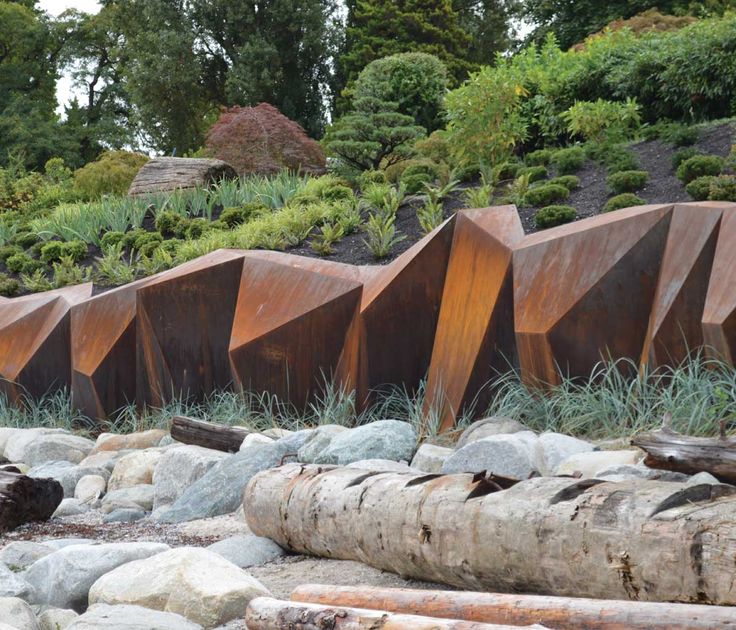
Metals like steel, aluminium, and copper offer great versatility. These can be engineered into various forms, from intricate sculptures to functional elements like benches and railings. Their ability to be shaped and welded allows for unique designs that can complement natural surroundings or stand as bold focal points.
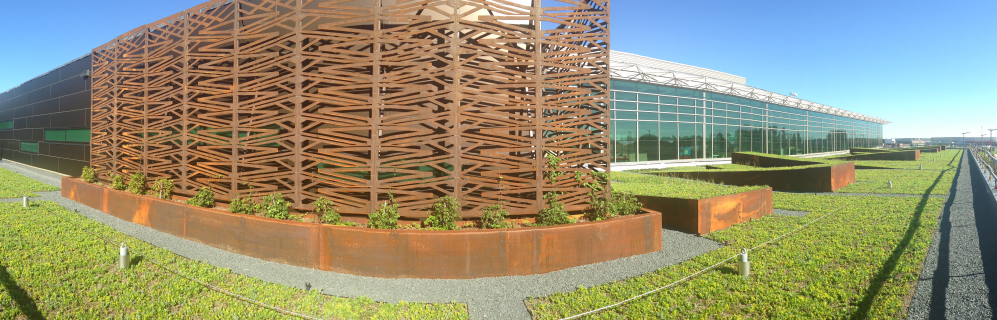
One of the key advantages of metals is their durability. Unlike wood, which can warp or rot over time, metals resist the elements, ensuring that landscape features maintain their integrity for years. While metals may require some maintenance—such as periodic cleaning or polishing—their longevity often outweighs the upkeep, ultimately providing cost savings in the long run.
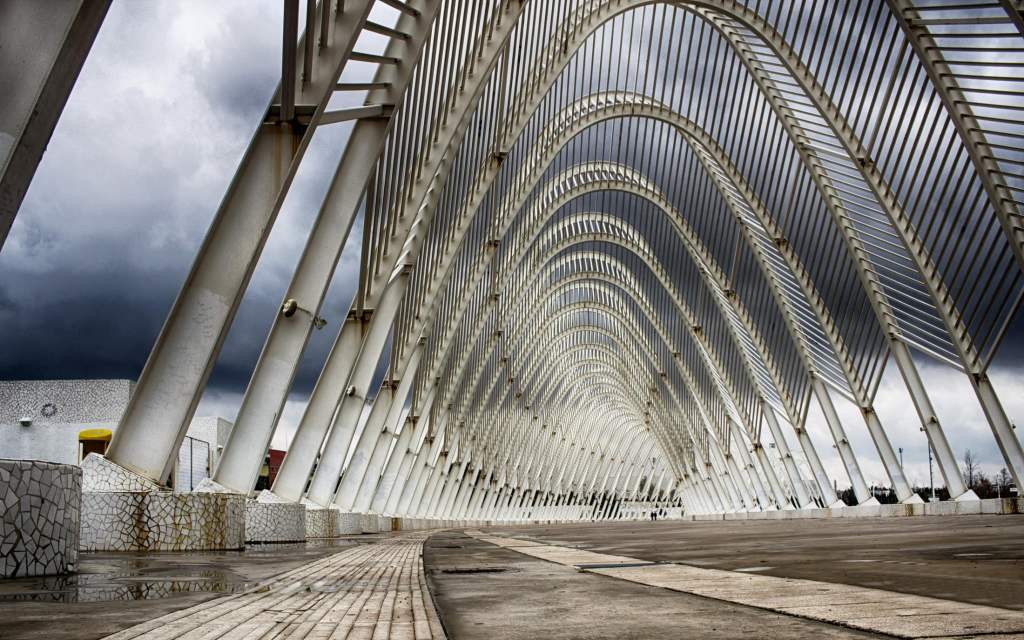
Water features often incorporate metals as well, with bronze or copper elements adding elegance to ponds or fountains. Such integrations not only enhance the visual appeal but also encourage biodiversity, as plants and animals thrive in these carefully curated environments.
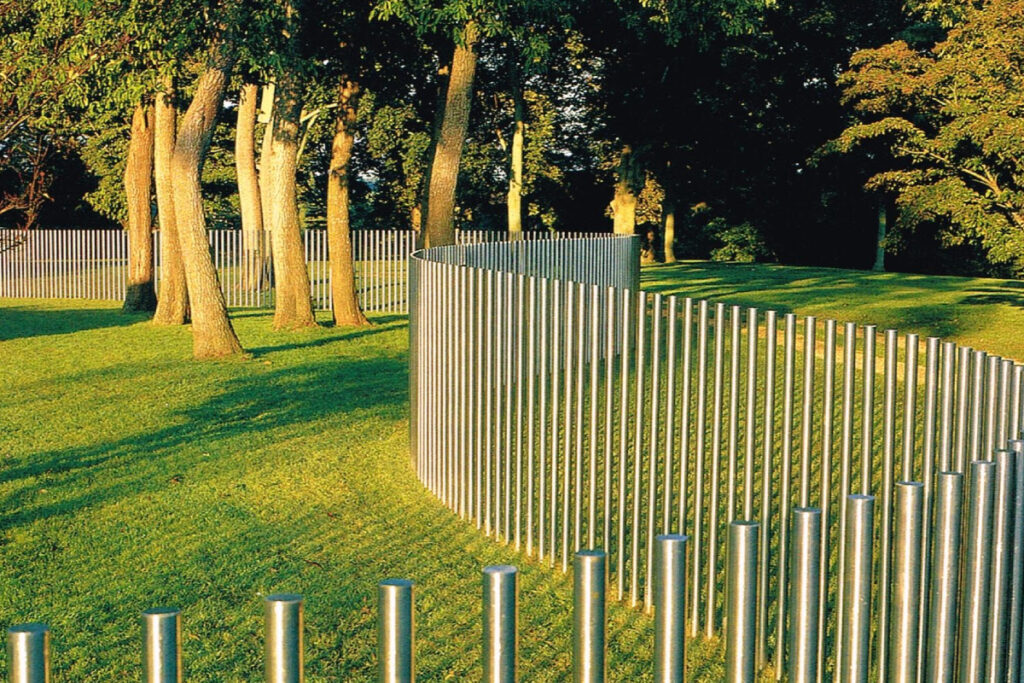
In landscape architecture, the use of metals extends far beyond mere functionality. They offer designers the ability to create striking juxtaposition within a space that is also durable, and sustainable in some parts.
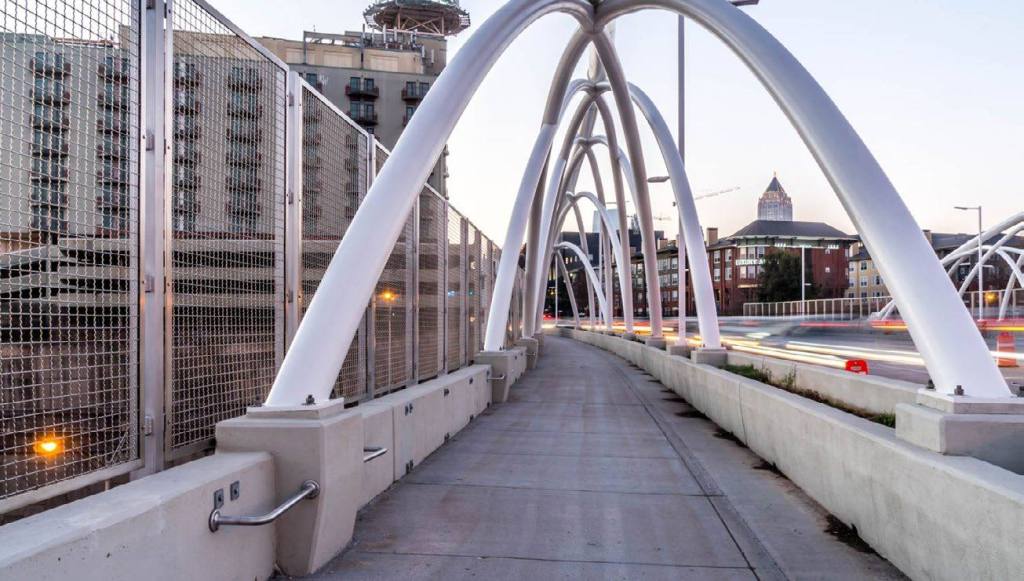
As landscape architecture continues to evolve, the thoughtful incorporation of metals will undoubtedly remain a key trend, pushing the boundaries of design while honouring the natural world. Whether in urban parks or intimate gardens, metals will continue to play a pivotal role in shaping our outdoor experiences.
 AJ Landscape Architecture
Leave a comment