Frederick Law Olmsted (1822–1903) is often regarded as the “father of American landscape architecture”. His innovative designs for the times transformed public spaces, blending beauty with functionality and responding to the needs of urban populations. Olmsted’s legacy is most famously lives on in Central Park, New York, where he created a peaceful retreat from the big city. But his influence extends far beyond that iconic landmark, shaping parks, universities, and communities across the United States.
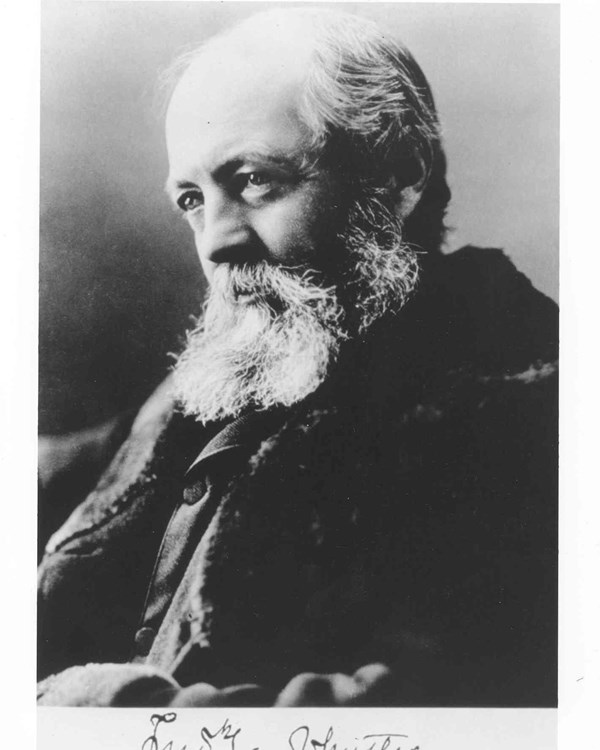
Olmsted’s approach to landscape design emphasised naturalistic, scenic environments that focused on both aesthetics and public health benefits. He believed that well-designed green spaces could improve the well-being of individuals and promote social harmony. His designs were grounded in the belief that nature had a restorative effect on the human spirit—an idea that resonates with the growing emphasis on environmental wellness today.
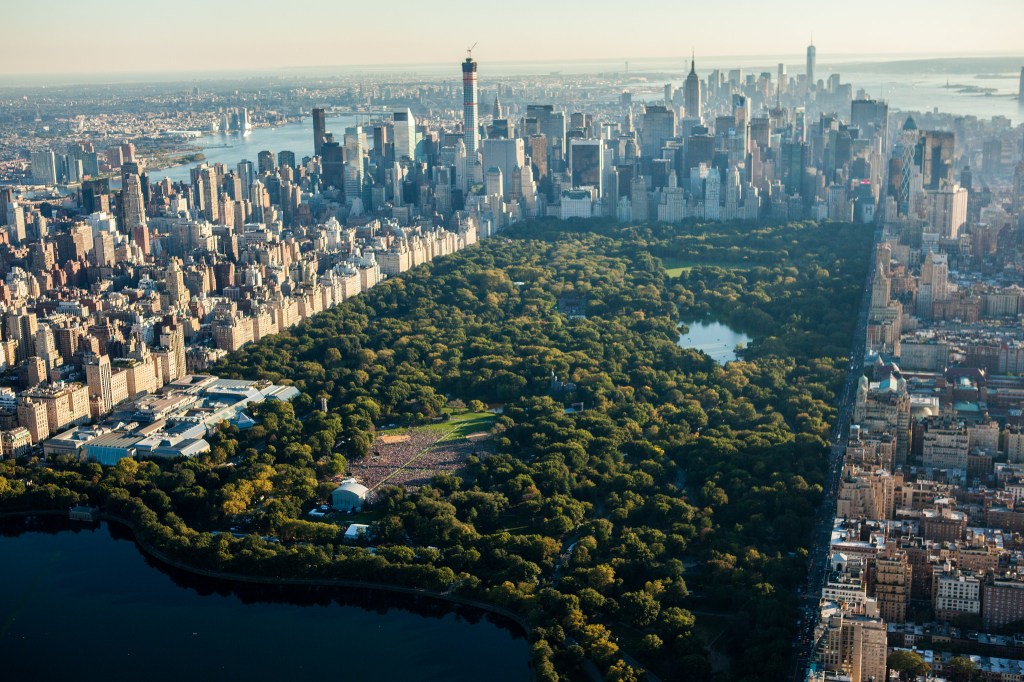
Modern landscape architects continue to draw inspiration from Olmsted’s vision of parks as autonomous spaces that are accessible to all. His focus on integrating landscapes with urban environments remains central to contemporary design practices, particularly as cities and urban environments face challenges related to population growth, climate change, and the need for sustainable public spaces. Concepts like green infrastructure, ecological restoration, and community-oriented design are all influenced by Olmsted’s forward-thinking principles.
In an era where environmental concerns and mental health are at the forefront, Olmsted’s work still remains influential in landscape architecture, reminding us of the power of thoughtfully designed outdoor spaces to enrich lives and communities.
 AJ Landscape Architecture
Leave a comment