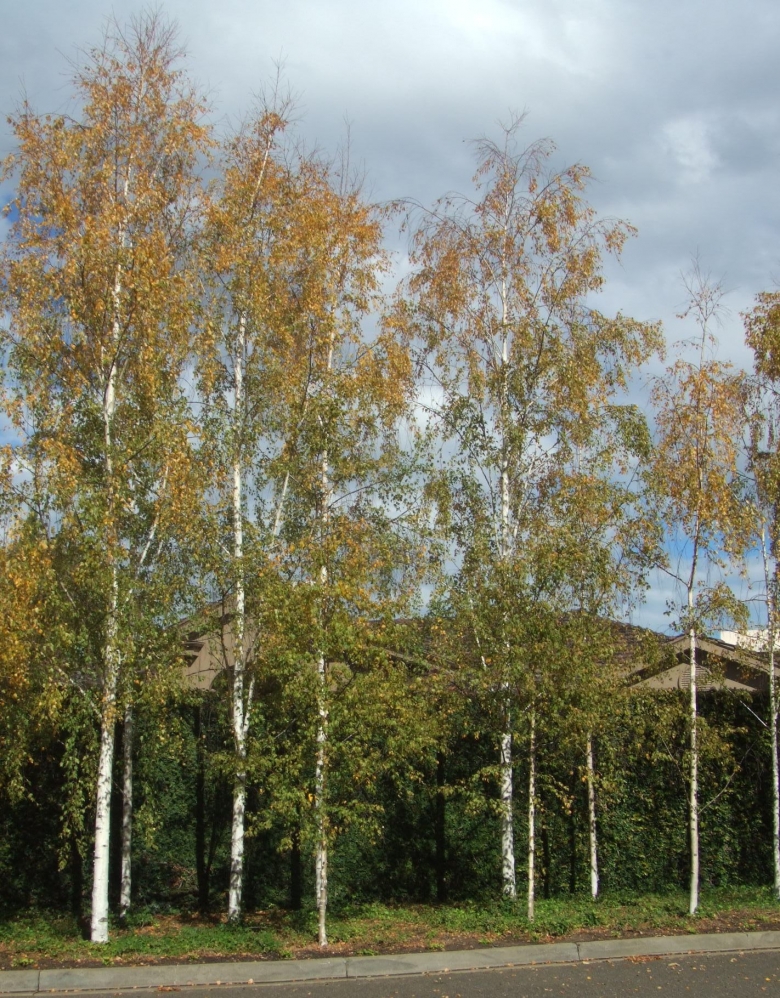
Urban greening has always taken place, from large avenues of trees to standalone species to inner city or town parks. Nowadays, planting them is not just about aesthetics, but also their potential pollutant and water mitigation. Alongside the increase in amenity value. Urban environments greatly benefit, therefore, from thoughtful tree planting.
But which varieties would be the best? Naturally, this is location-specific, but there are a few standards that are regularly used. When selecting trees, the thought must be considered for leaf, fruit and sap drop, water needs, and temperature needs. But also, how that tree grows, up or out and how easily the branches were to break.
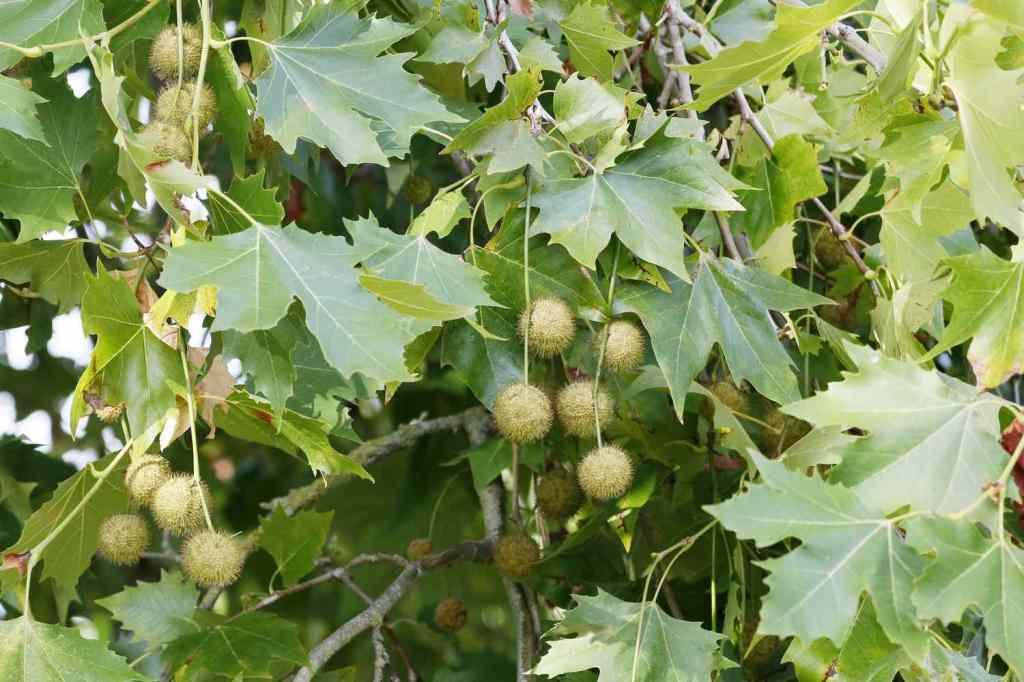

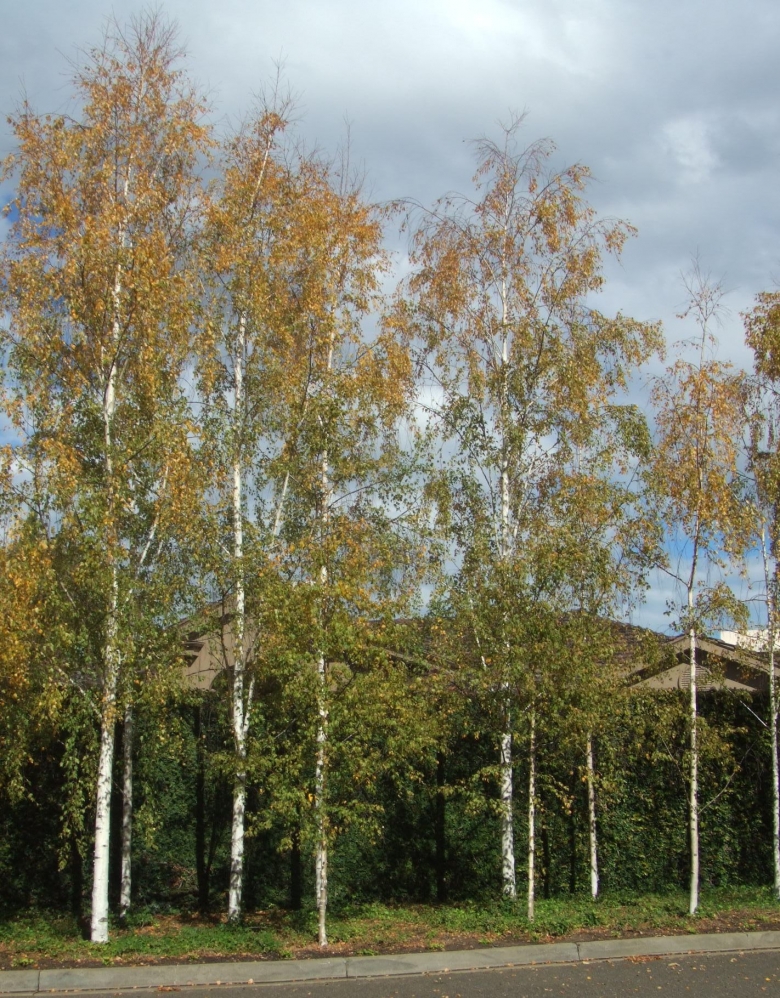
Trees such as the Platanus × hispanica (London plane) are excellent for absorbing pollutants like carbon dioxide and particulate matter. Their large leaves and ability to shed bark naturally remove trapped toxins, making them ideal for high-traffic areas. Similarly, Betula pendula (Silver Birch) help filter air pollutants and are known to improve mental well-being with their graceful appearance and calming effect. Platanus × hispanica fruit, however, can cause respiratory issues for some asthmatics, and they also can grow very large.
Species like the Carpinus betulus (Hornbeam) and Alnus glutinosa (Alders) excel in absorbing rainwater, reducing urban flooding risks. Their root systems are adept at filtering water and improving soil structure, particularly in areas with compacted ground. These traits also make them resilient to climate change
Trees such as the Sorbus aucuparia (Rowan) and Prunus avium (Wild cherry) provide habitats and food for pollinators, birds, and small mammals. Their flowers and fruits significantly boost urban biodiversity, supporting a variety of species in built-up environments.
Other varieties that should be considered are these:
Pyrus calleyana (Callery Pear)
Ginkgo biloba (Maidenhair)
Acer campestre (Field Maple)
Amelanchier lamarckii (Snowy Mespilus)
Gleditsia triacanthos (Honeylocust)
Cornus florida (Dogwood)
Liquidambar styraciflua (American Sweet Gum)
Tilia cordata (Small-leaved Lime)
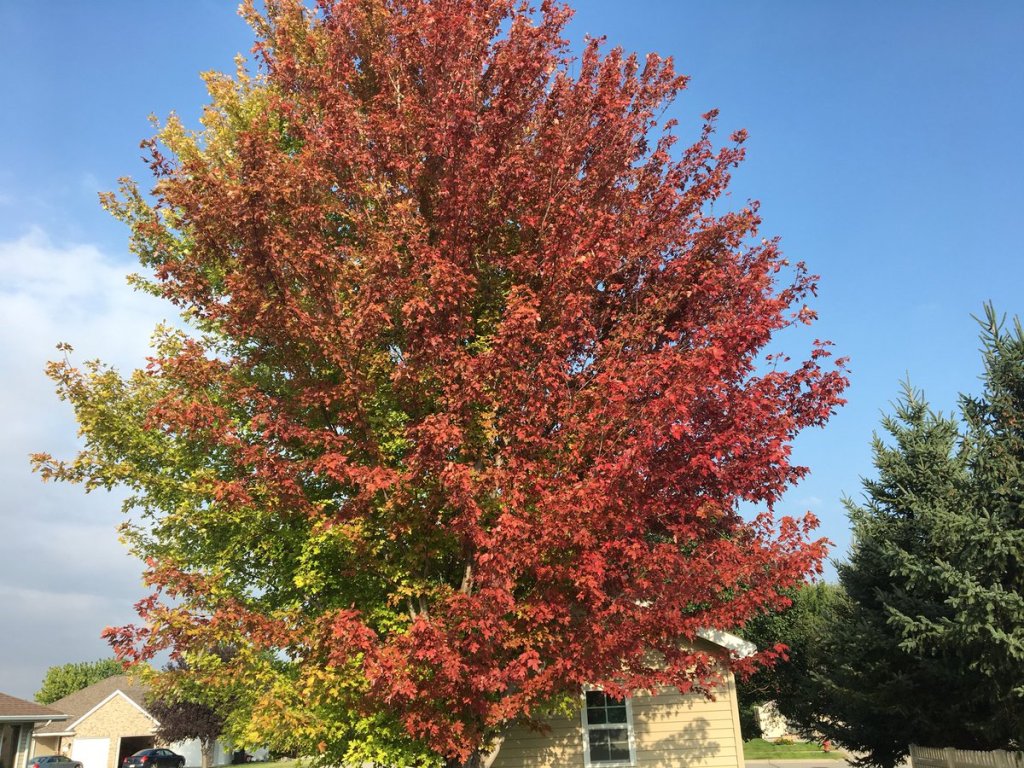
Selecting resilient, low-maintenance species ensures long-term benefits without excessive care. Native trees like Quercus Robur (Oak) or Acer campestre (Field Maple) adapt well to the UK’s climate while offering ecological advantages. However, ensuring diversity among species is key to maintaining urban forest health and mitigating disease risks. Incorporating these trees into urban planning improves air quality, enriches ecosystems, and creates greener, more liveable cities.
Ref:
https://www.pracbrown.co.uk/top-10-street-trees/
https://www.bigeasytreeremoval.com/common-trees-planted-in-urban-areas/
https://www.thoughtco.com/best-worst-trees-in-urban-forest-4089358
https://www.thoughtco.com/which-trees-offset-global-warming-1204209
 AJ Landscape Architecture
Leave a comment