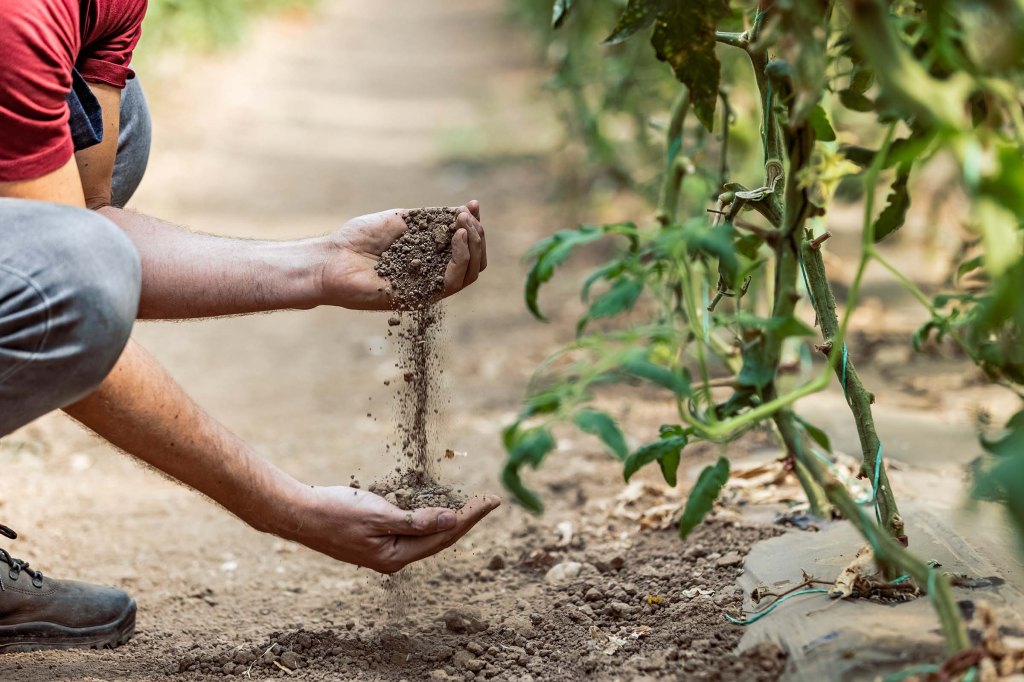
Soil is the foundation of life on Earth, yet its critical role in sustaining plants, ecosystems, and human well-being is often overlooked by professionals in agriculture and environmental management.
Healthy soil is more than just dirt – it’s a living, breathing system teeming with microorganisms, mycorrhizal fungi, organic matter, and nutrients that plants need to thrive.
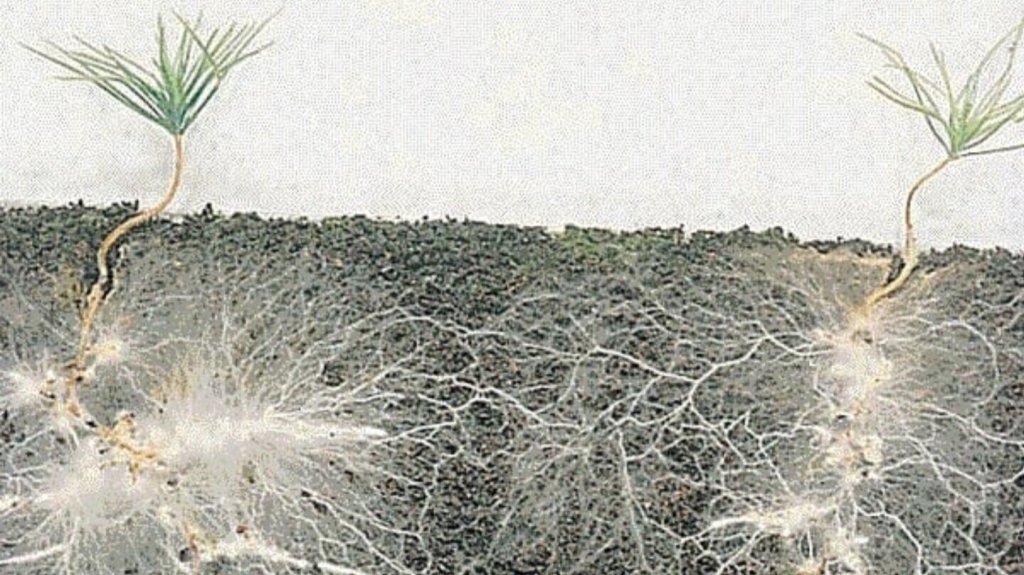
For plants, soil is not just a medium for anchoring roots but a vital source of water, nutrients, and oxygen. A well-balanced soil with ample organic content improves plant growth, boosts resistance to pests, and enhances crop yields. When soil health declines due to overuse, erosion, or contamination, plants suffer, and agricultural productivity plummets.
The environment also depends on healthy soil. Soil acts as a natural carbon sink, capturing and storing atmospheric carbon dioxide to mitigate climate change. It filters water, reduces flooding, and supports biodiversity by providing habitat for countless organisms.
Unfortunately, many professionals seem to overlook this, or maybe they are not fully aware, instead prioritising immediate outputs like crop yields or infrastructure development over maintaining soil integrity. Practices like over-fertilisation, excessive tilling, and monocropping degrade soil structure and diminish its fertility. This short-sighted approach jeopardises long-term sustainability.
It’s time to reframe how we value soil. Farmers, landscapers, and environmental stewards must adopt regenerative practices, such as cover cropping, composting, and reduced tillage, to preserve this resource. Healthy soil is not just the bedrock of plant growth; it’s a keystone of environmental health and resilience.
 AJ Landscape Architecture
Leave a comment