Wassily Kandinsky, a pioneering figure in abstract art, is known for his innovative use of colour, form, and composition. His work explores how visual elements interact to evoke emotions, a principle that holds immense relevance in landscape architecture.
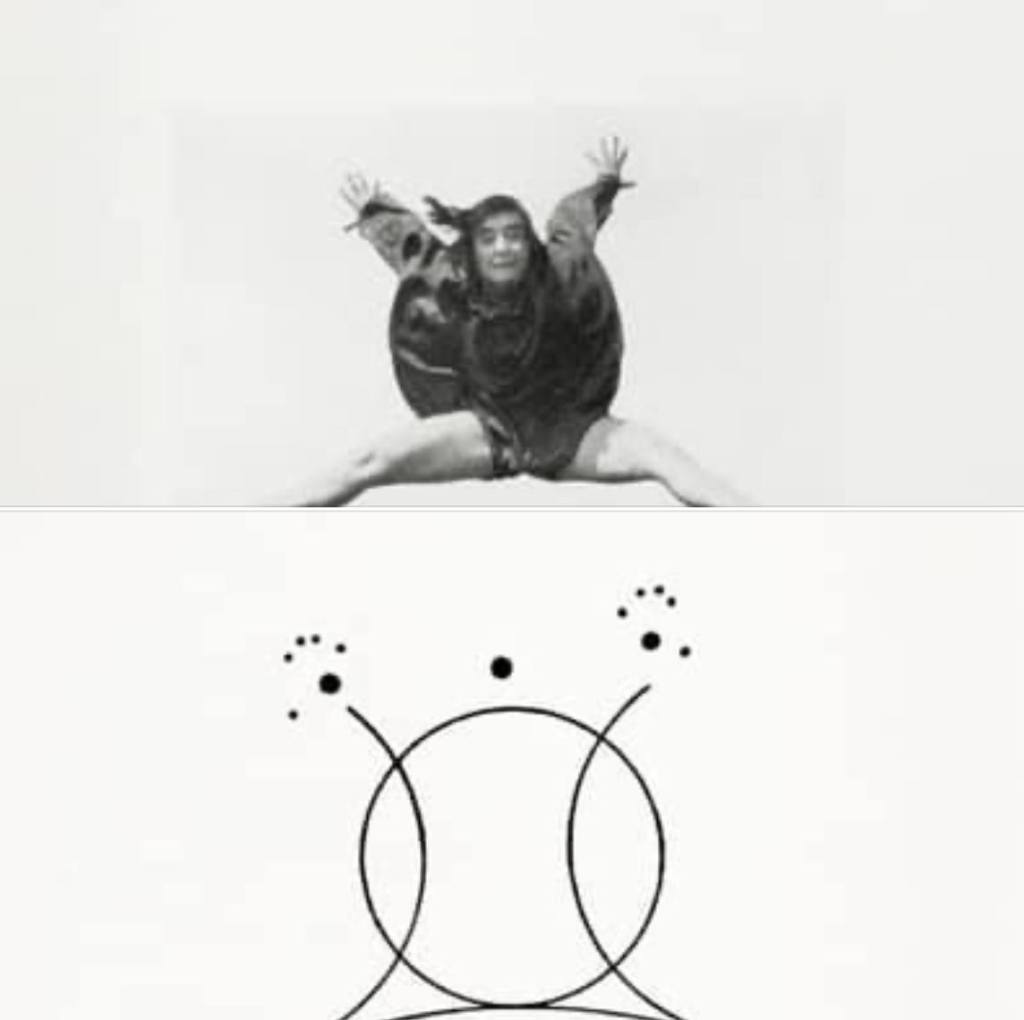
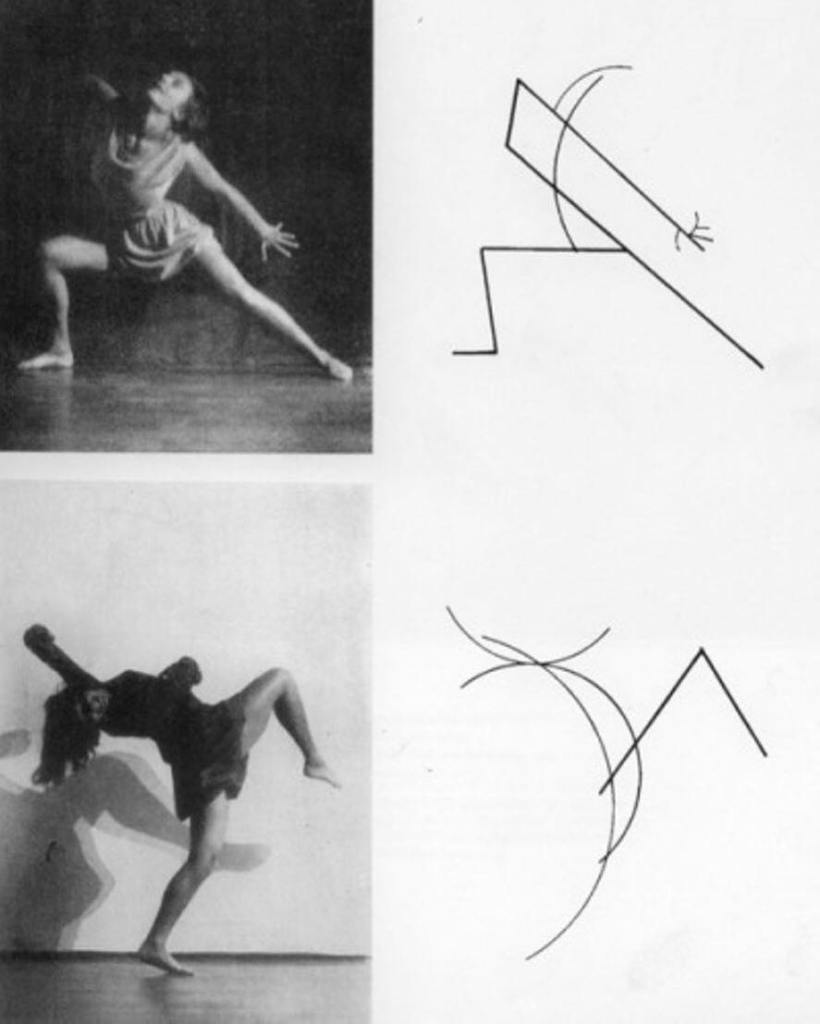
Kandinsky believed that abstract forms could communicate feelings in a way words couldn’t, using colour, line, and shape as a kind of visual language. This approach- treating design as an expressive medium- can deeply influence how we think about landscape architecture.
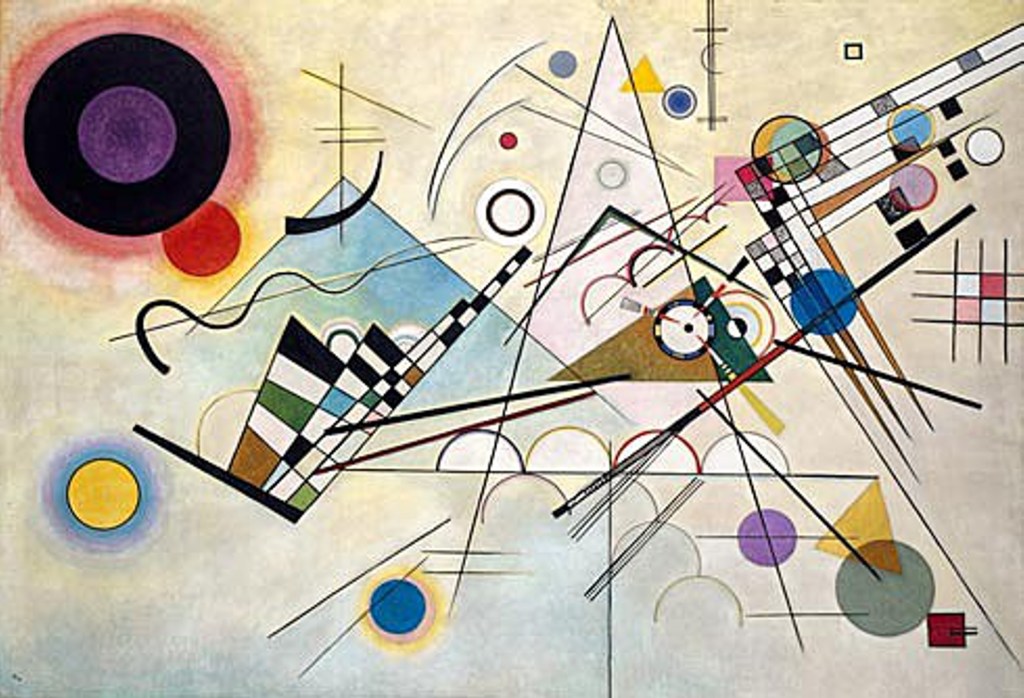
In the context of landscape architecture, Kandinsky’s principles of harmony and dynamic tension can guide spatial design to provoke emotions and experiences. We can arrange shapes, forms, textures to encourage a flowing journey through the landscape, much like how Kandinsky’s paintings guide the viewer’s eye across the canvas.
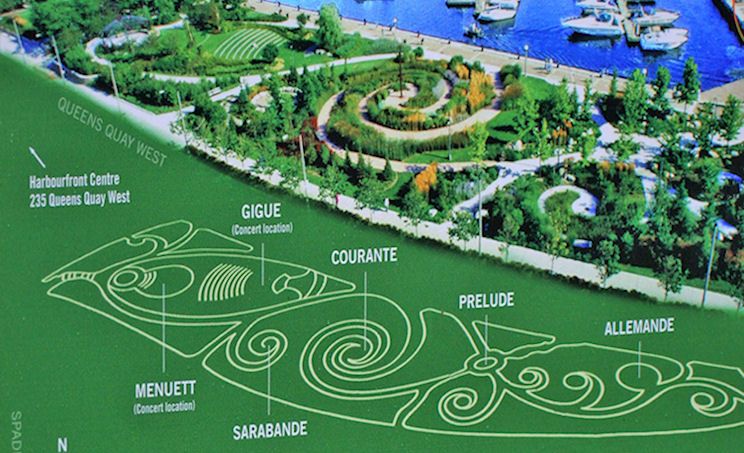
One of Kandinsky’s key concepts was “synesthesia,” where he felt that visual elements could be “heard” as musical notes, creating a multisensory experience. This idea has profound implications for landscape design, where textures, sounds, and colours come together to shape an immersive experience. Elements like water fountains, textured paving materials, and varied plant heights can add sensory richness, making a landscape more engaging and accessible.
.
 AJ Landscape Architecture
Leave a comment